Since 2002, BMJ Group has contributed to improving global health by participating in the WHO’s Research4Life Organization’s Access to Research Initiative (HINARI). This programme grants free access to nearly 250,000 journals, books and databases to health workers and researchers in more than 120 developing countries.
Supporting open science through increased preprint publications
We want to continue reshaping the way medical research is conducted and disseminated, and our co-founding of medRxiv in 2019 with Cold Spring Harbour Laboratory and Yale University is helping us to do that.
The best decisions rely on the best evidence. Therefore, we make it our responsibility to help authors and researchers reach and share the most robust evidence available. Collaboration and preprints are crucial in achieving this goal.
MedRxiv contributes significantly to open science by publishing approximately 12,000 preprints every year. Our preprint server allows authors in the clinical field to share their findings quickly with the scientific community, fostering faster collaboration and advancement. Our partnership with medRxiv also enables us to directly transfer manuscripts from medRxiv to all journals within our collection of nearly 70 journals.
Work that makes a difference

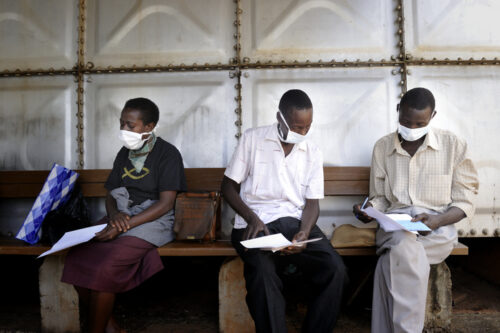
Ugandan trial shifted global covid-19 guidance
In August 2021, Dr Bruce Kirenga and his team at the Makerere University Lung Institute published a pivotal study in BMJ Open Respiratory Research on the efficacy of convalescent plasma for covid-19 treatment in Uganda.
The study’s findings on the limited efficacy of convalescent plasma (CP) helped shape major treatment guidelines, including the World Health Organization Therapeutics and COVID-19: Living guideline. Where most publications in the biomedical and clinical sciences field receive only two to three citations, this study has far exceeded that benchmark. BMJ Impact Analytics shows 46 citations in health policy, eight in clinical guidance, and uptake across five countries.
Influencing health policy in Peru
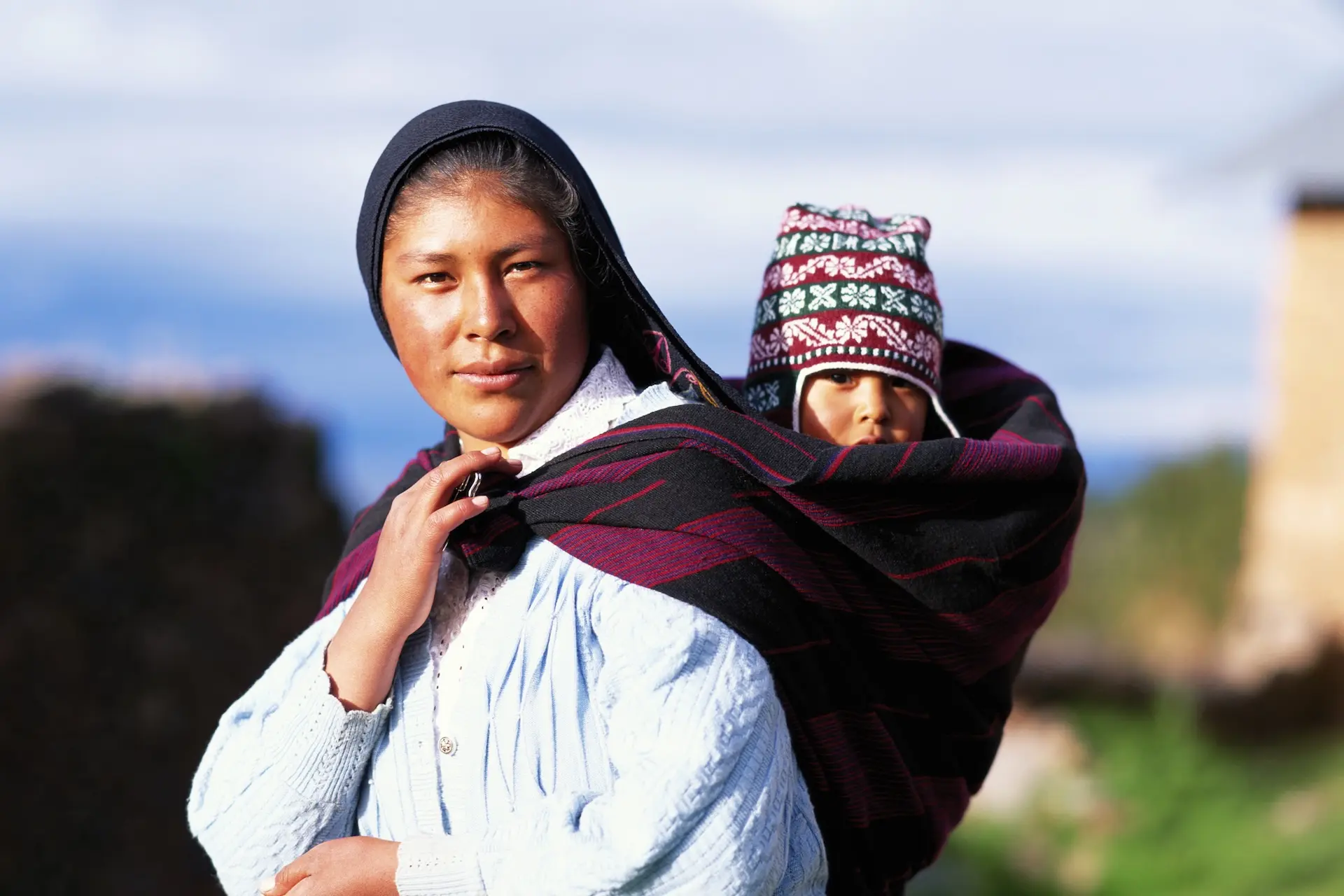
Dr Magaly Blas, medical epidemiologist at Cayetano Heredia Peruvian University, Peru, led the Mamás del Río programme to improve maternal and newborn care in remote Amazonian communities. Published in BMJ Innovations, the work informed national policy, was integrated into Peru’s health system, and expanded from 13 to 84 communities with improved newborn outcomes.
Rare case report sparks global safety rethink
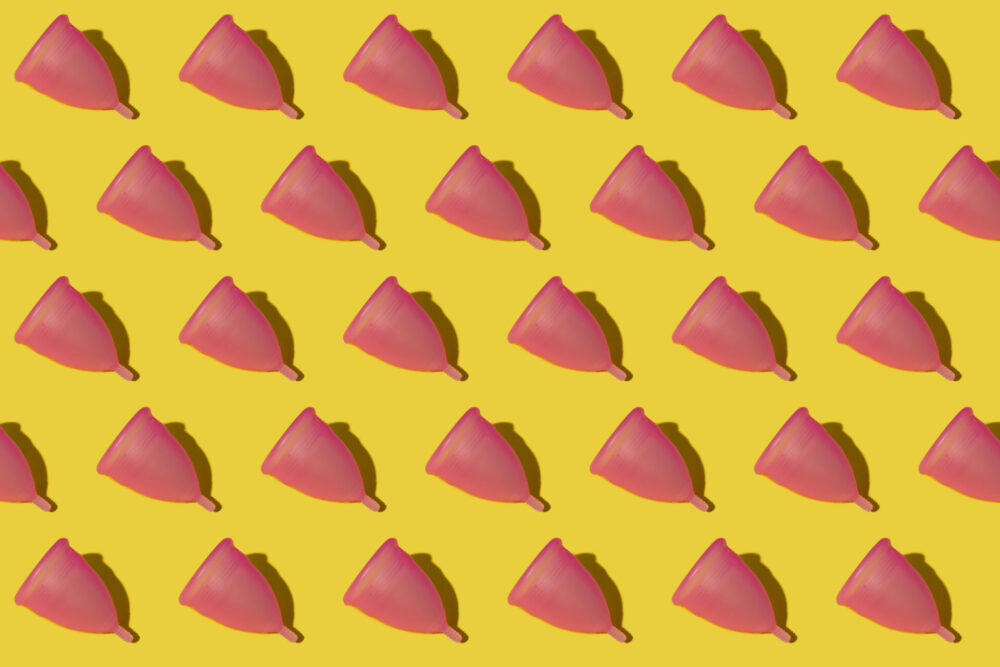
Dr Clara Maarup Prip, a urologist and gynaecologist at Aarhus University Hospital, Denmark, documented an unusual case of kidney swelling caused by a menstrual cup compressing the ureter. Published as “Ureterohydronephrosis due to a menstrual cup in BMJ Case Reports,” the paper spread quickly after it was press-released by the BMJ Group media relations team, sparking widespread discussion on safe cup use and symptom awareness.
The post Research4Life marks 25 years of expanding who gets to participate in global research first appeared on BMJ Group.