Find the best home for your work
Navigating today’s publishing landscape has become more important than ever, given the rising volume in publication output, the growing number of venues to disseminate your research, and the pressures to publish your research promptly in a reputable journal.
At BMJ Group, we offer a wide selection of high-quality journals across various medical disciplines, making it easier for you to find the perfect match for your research. As an evidence based publisher, our brand can be trusted to provide you with exceptional editorial expertise and the highest standards in peer review and publication ethics.
Explore our journal portfolio
With over 60 reputable journals spanning 30 medical and allied science specialties, you’re sure to find one that aligns with your research.
Browse our collection of journals today and take the next step toward publication.

Real voices, real change
Our newest impact stories show how research in our journals is shaping better patient outcomes and informing healthcare policy.

How evidence based policy can drive meaningful change
Researchers from the University of Calgary published a paper in 2015 titled “Policy change eliminating body checking in non-elite ice hockey leads to a threefold reduction in injury and concussion risk in 11 and 12 year old players” in the British Journal of Sports Medicine.
How Ugandan research shaped covid-19 treatment
In August 2021, Dr Bruce Kirenga and his team at the Makerere University Lung Institute published a pivotal study in BMJ Open Respiratory Research on the efficacy of convalescent plasma for covid-19 treatment in Uganda. The study’s findings on the limited efficacy of convalescent plasma (CP) helped shape major treatment guidelines.


Helping clinicians manage one of immunotherapy’s most serious risks
Published in 2018 in the Journal for ImmunoTherapy of Cancer, a major review of cytokine release syndrome (CRS) found that, as breakthrough therapies like CAR T cell treatment and bispecific antibodies moved into routine clinical use, they also carried a serious risk of triggering the potentially life-threatening inflammatory reaction.
Beyond survival: Shaping the first roadmap for post-Covid rehabilitation
Published less than three months after Covid-19 was declared a pandemic, the Stanford Hall consensus statement provided one of the first frameworks for understanding how patients might recover following the acute phase of infection and the support they would require during rehabilitation.

From systematic reviews to global guidance
In October 2025, BMJ Global Health published a supplement comprising five systematic reviews that underpin the first global WHO and UNICEF Guidelines on Hand Hygiene in Community Settings. Launched on Global Handwashing Day, the guidelines translate this evidence into practical actions for governments and health systems worldwide.

Championing the rights and health of street and working children
BMJ Paediatrics Open’s special collection brings together research and practical resources that help health professionals and policymakers address the complex health and social challenges faced by street and working children worldwide.

‘Renaissance era’ diagnosis of scurvy in today’s bariatric population
A BMJ Case Report published in Sept 2024, highlights scurvy as a re-emerging disease linked to nutritional deficiency driven by dietary and financial factors.

Raising awareness of a rare but serious risk linked to menstrual cup use
A BMJ Case Report published in Feb 2025, describes a rare case of ureteral compression by a menstrual cup leading to ureterohydronephrosis.

Stimulating international research dialogue on SGLT2 inhibitors and immune risk
In October 2025, The BMJ published a nationwide cohort study of over 2 million adults in South Korea, finding that sodium-glucose cotransporter-2 (SGLT2) inhibitors were associated with a modest reduction in autoimmune rheumatic disease risk compared with sulfonylureas.
From research to legislation: improving allergy safety in schools
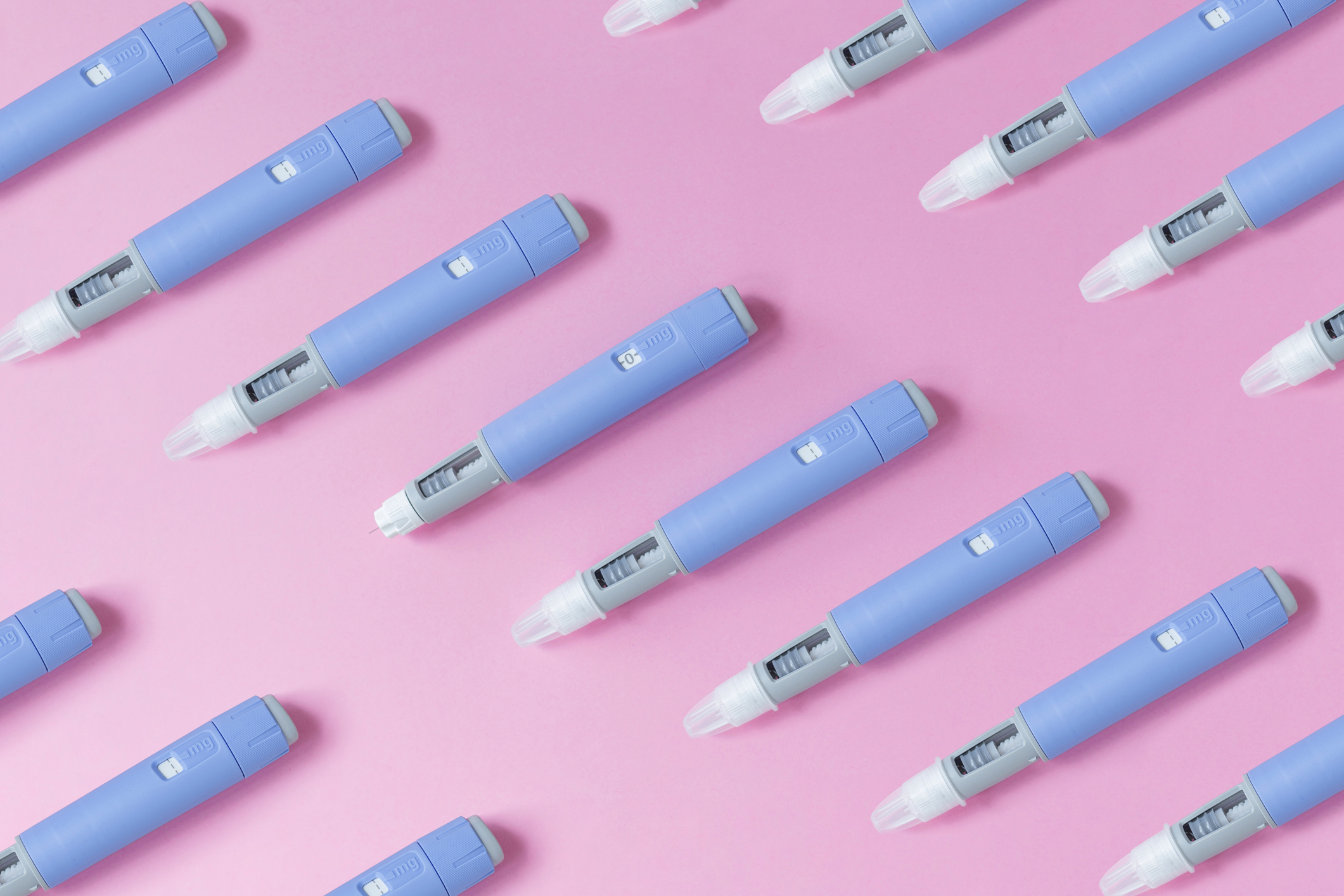
Research published in Archives of Disease in Childhood (BMJ Group) has informed child safety policy and progress towards Benedict’s Law, finding that reliance on individual adrenaline auto-injectors is inefficient and costly, with most pupils prescribed multiple devices and national costs exceeding £9m annually.

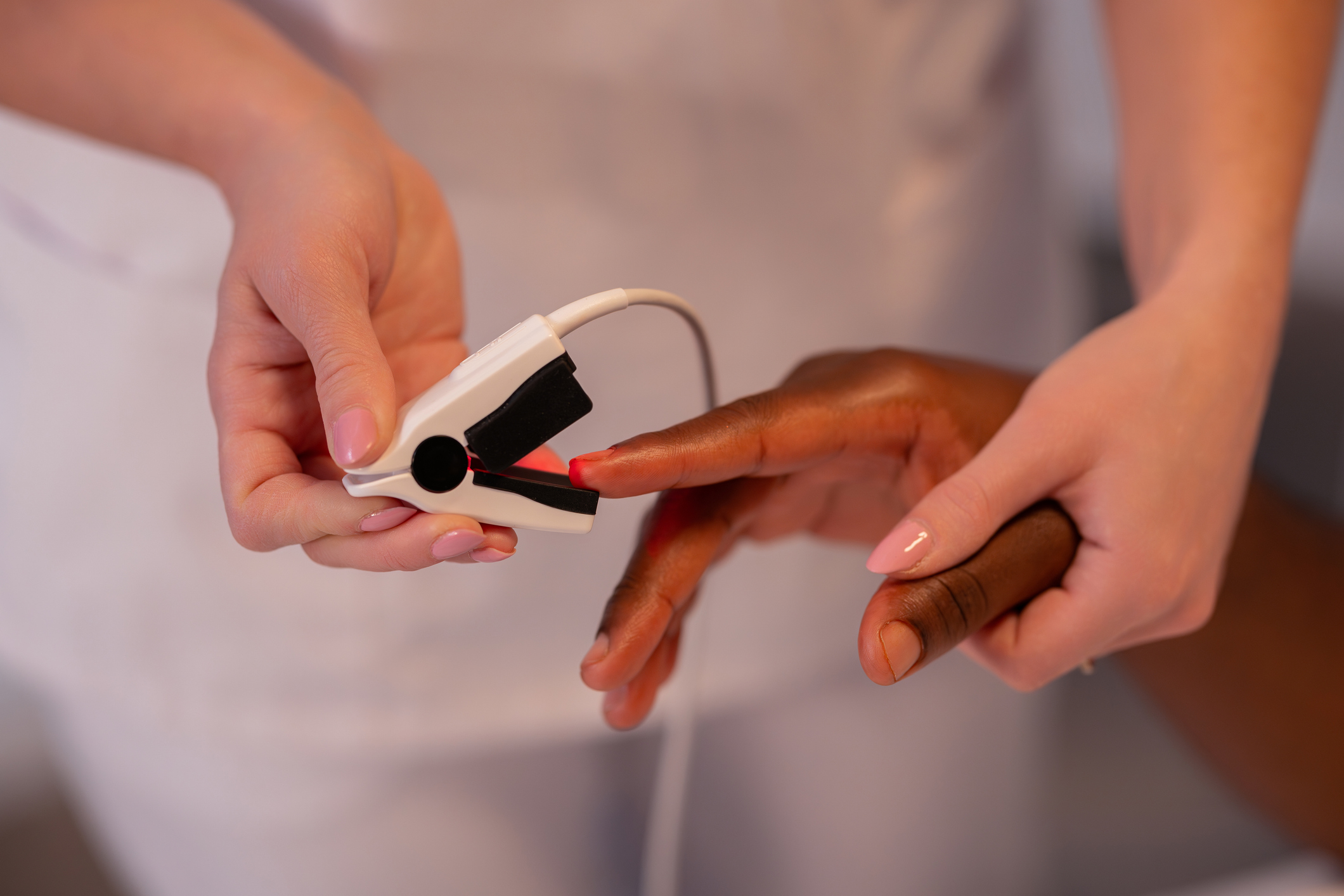
Innovative device tackles racial bias in health monitoring, ensuring accurate readings for all skin tones
In 2022, BMJ Innovations published research on a non-invasive device that reduces racial bias in haemoglobin and pulse oximetry measurements by incorporating skin melanin quantification into point-of-care monitoring.
Revealing the hidden risks of slush ice drinks in children
Research in Archives of Disease in Childhood identified glycerol intoxication syndrome in young children linked to slush ice drinks, shaping food safety guidance in the UK and Ireland and informing European regulatory discussions, including later EFSA recommendations on limiting glycerol in beverages.