
Since 1840, BMJ Journals have built a rich heritage rooted in advancing healthcare knowledge and improving patient outcomes. Impact means delivering credible, evidence-based research that informs clinical practice, shapes policy, and strengthens healthcare systems. Through this, our journals help turn high-quality evidence into better care and improved outcomes globally.
Our impact stories

Research from East Africa helps shape the future of global HIV care
BMJ Global Health | Integration of non-communicable disease and HIV/AIDS management

Stroke studies from China shape global guidance
Stroke and Vascular Neurology and The BMJ | CHANCE programme trials

The diet that rewrote the rules on type 2 diabetes remission
BMJ Nutrition, Prevention and Health | What predicts drug-free type 2 diabetes remission?

Setting the international standard for lupus remission
Lupus Science & Medicine® | DORIS remission definition in SLE

Shaping national dietary guidance to prevent hypertension in Japan
BMJ Open | NIPPON DATA80 cohort study

Helping clinicians manage one of immunotherapy’s most serious risks
Journal for ImmunoTherapy of Cancer | Cytokine release syndrome

Beyond survival: Shaping the first roadmap for post-Covid rehabilitation
British Journal of Sports Medicine | The Stanford Hall consensus statement for post-COVID-19 rehabilitation

How Ugandan research shaped covid-19 treatment
BMJ Open Respiratory Research | Efficacy of convalescent plasma for treatment of COVID-19 in Uganda
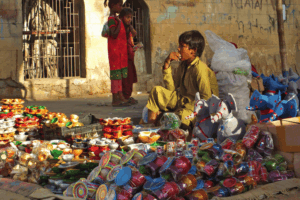
Championing the rights and health of street and working children
BMJ Paediatrics Open | Topic Collection: Health and Wellbeing of Street and Working Children

Guiding global conversations in vaccine hesitancy
The BMJ | Collection: Research priorities for future shocks

How evidence based policy can drive meaningful change
British Journal of Sports Medicine | Policy change eliminating body checking in non-elite ice hockey leads to a threefold reduction in injury and concussion risk in 11- and 12-year-old players

‘Renaissance era’ diagnosis of scurvy in today’s bariatric population
BMJ Case Reports | Scurvy—a re-emerging disease with the rising cost of living and number of bariatric surgical procedures
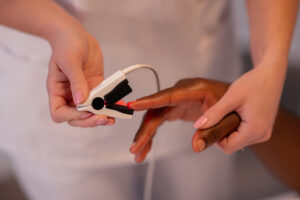
Innovative device tackles racial bias in health monitoring, ensuring accurate readings for all skin tones
BMJ Innovations | Innovative technology to eliminate the racial bias in non-invasive, point-of-care (POC) haemoglobin and pulse oximetry measurements
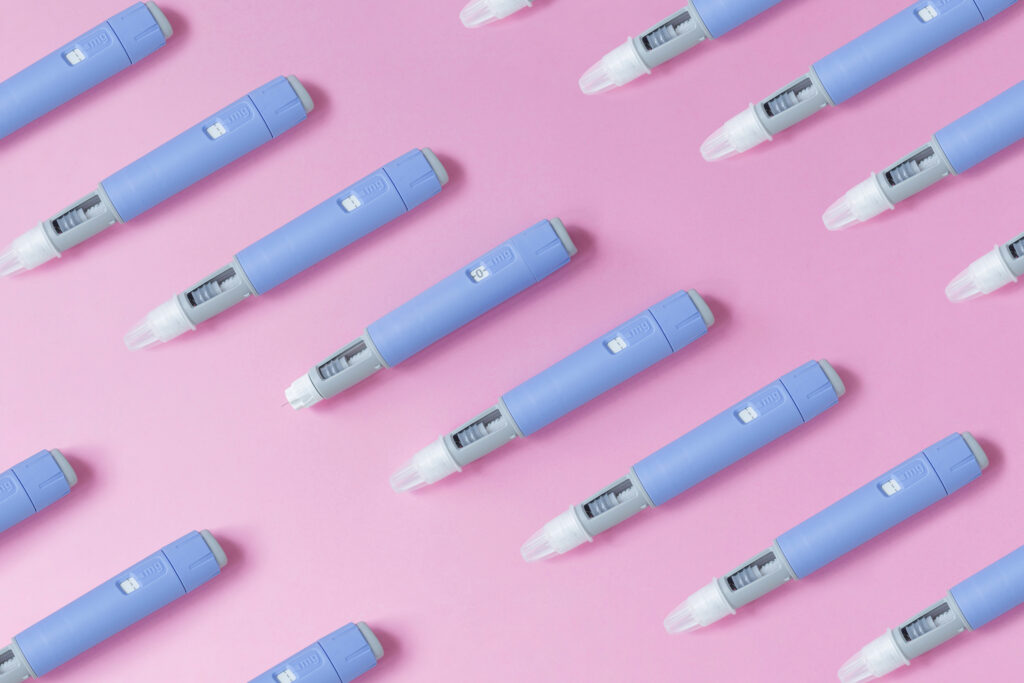
Stimulating international research dialogue on SGLT2 inhibitors and immune risk
The BMJ | Sodium-glucose cotransporter-2 inhibitors and risk of autoimmune rheumatic diseases: population based cohort study

From research to legislation: improving allergy safety in schools
Archives of Disease in Childhood | Economic modelling of providing ‘spare’ adrenaline autoinjectors to all schools to improve the management of anaphylaxis
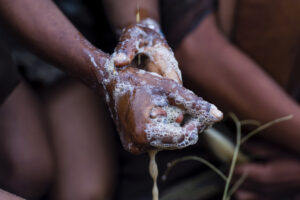
From systematic reviews to global guidance
BMJ Global Health | Supplement: The evidence to establish global guidelines on hand hygiene in community settings

Raising awareness of a rare but serious risk linked to menstrual cup use
BMJ Case Reports | Ureterohydronephrosis due to a menstrual cup

Revealing the hidden risks of slush ice drinks in children
Archives of Disease in Childhood | Glycerol intoxication syndrome in young children, following the consumption of slush ice drinks