
How Ugandan research shaped covid-19 treatment
Local solutions, global impact
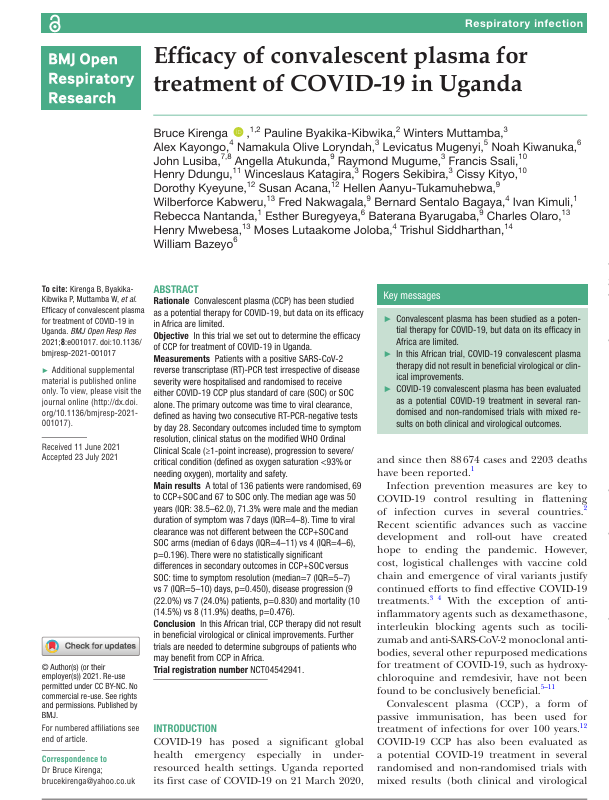
In August 2021, Dr Bruce Kirenga and his team at the Makerere University Lung Institute published a pivotal study in BMJ Open Respiratory Research on the efficacy of convalescent plasma for covid-19 treatment in Uganda.
The studyâs findings on the limited efficacy of convalescent plasma (CP) helped shape major treatment guidelines. In Therapeutics and COVID-19: Living guideline, the World Health Organization (WHO) strongly advises against CP for all severity levels of covid-19 due to limited benefit and potential safety risks. The National Institutes of Health (NIH) similarly recommends against CP outside of clinical trials, except in rare cases involving immunocompromised patients. The European Medicines Agency (EMA) also discourages routine use, supporting a shift towards more effective therapies like antivirals and monoclonal antibodies.
Where most publications in the biomedical and clinical sciences field receive only two to three citations, this study has far exceeded that benchmark. BMJ Impact Analytics shows 46 citations in health policy, eight in clinical guidance, and uptake across five countries. Such reach underlines its role in shaping evidence informed global health practice.

“The findings from this study⦠provided the scientific community with sufficient evidence against use of convalescent plasma to treat COVID-19 and consideration of other treatment options.”
Dr. Bruce J Kirenga
Makerere University Lung Institute, Uganda
Dr Kirenga and his team chose open access to ensure their research reached a global audience without barriers, facilitating faster dissemination of critical findings. Making their work freely available enabled healthcare professionals and policymakers in LMICs to access the latest evidence on affordable and accessible therapies.
“Open access publishing ensures the publications are available to everyone, including scientists and policymakers in low-resourced settings.”
Expanding access to research in low and middle-income countries
For over 20 years, BMJ Group has championed underrepresented voices in research. Since introducing full article processing charge (APC) waivers in 2022, weâve granted 70% more waivers to authors from low and middle-income countries (LMICs) compared to the three years before the policy began. In the past year alone, nearly 10% of the open access research we published came from LMIC authors.
We also participate in the HINARI programme, part of the Research4Life (R4L) initiative, which provides free or low-cost access to its medical journals for institutions in low- and middle-income countries (LMICs). This partnership helps over 11,000 institutions across 125 countries access the best available, evidence-based medical content to support research, education, and clinical practice in these regions.
Nearly 95% of all LMIC-originated research was published open access this year
Up from 36% in 2021 and 56% in 2022, closing the knowledge gap.*
Real voices, real change

Turning female elite athletes’ experiences into fairer sporting policies

Research from East Africa helps shape the future of global HIV care

Stroke studies from China shape global guidance

The diet that rewrote the rules on type 2 diabetes remission
Setting the international standard for lupus remission

Shaping national dietary guidance to prevent hypertension in Japan

Helping clinicians manage one of immunotherapy’s most serious risks

Beyond survival: Shaping the first roadmap for post-Covid rehabilitation
How Ugandan research shaped covid-19 treatment
From systematic reviews to global guidance
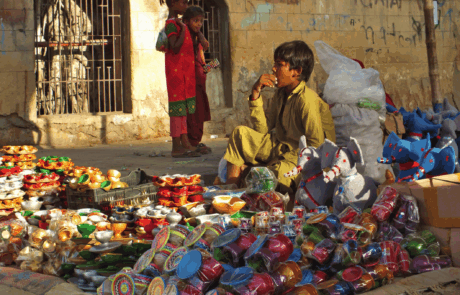
Championing the rights and health of street and working children

How evidence based policy can drive meaningful change

‘Renaissance era’ diagnosis of scurvy in today’s bariatric population

Raising awareness of a rare but serious risk linked to menstrual cup use
Stimulating international research dialogue on SGLT2 inhibitors and immune risk
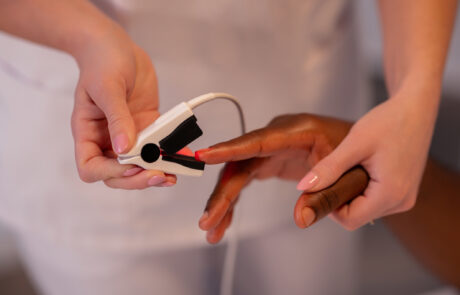
Innovative device tackles racial bias in health monitoring, ensuring accurate readings for all skin tones
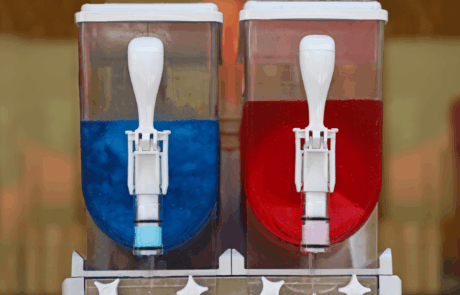
Revealing the hidden risks of slush ice drinks in children