
Turning female elite athletes’ experiences into fairer sporting policies
For elite sportswomen the decision to have a baby involves more than the physical changes of pregnancy and childbirth. When Professor Margie Davenport from the University of Alberta, Canada interviewed 20 elite female athletes from 11 Olympic sports about their experiences of pregnancy, they revealed uncertainties about the safety of intensive exercise, fears of losing funding and selection opportunities, and difficulties obtaining medical advice specific to elite performance.
But the 2022 study, Pushing for change: a qualitative study of the experiences of elite athletes during pregnancy, published in the British Journal of Sports Medicine, also highlighted a wider problem. Sporting organisations lack consistent policies to protect women during pregnancy and after childbirth, leaving many to negotiate their own arrangements with coaches, healthcare professionals, and governing bodies.
“Our 2022 paper was influential because it put athletes’ voices at the centre of conversations about sport policy to support pregnant and postpartum athletes,” says Professor Davenport. “It had immediate impact when it became the starting point of a set of evidence-based policy recommendations for Sport Canada.”
From research interviews to policy recommendations
The 2022 research made the case for treating pregnancy and parenthood as normal parts of an athlete’s life, rather than obstacles for women to overcome alone.
Follow-up research, published in 2024, brought together 102 stakeholders, including athletes, medical and support staff, coaches, and sports administrators. This study produced seven recommendations addressing financial support, policy, facilities, education, visibility, and further research.
Proposals included dedicated funding arrangements for pregnant and parenting athletes, support for training and competition during an infant’s first year, and comprehensive policies covering the period before conception through pregnancy, postpartum recovery, and parenting.
“Following this work, the Government of Canada announced that it would fund additional support cards for pregnant athletes,” Davenport explains. “And current Athlete Assistance Program policies now include a dedicated section related to pregnancy.”

“[Our paper] had immediate impact when it became the starting point of a set of evidence-based policy recommendations for Sport Canada.”
“I’d like to think our 2022 paper contributed to the change we’re seeing, with a growing number of athletes starting families mid-career and returning to the highest level after childbirth.”
Margie H. Davenport
Professor, University of Alberta, Canada
An international sporting challenge
The research also revealed the need for reform beyond Canada. Davenport and colleagues’ 2025 review found only 20 of 49 international federations had any relevant policies, and those that did varied considerably. Some protected athletes’ rankings or eligibility; others addressed training during pregnancy or financial support during parental leave.
“It was apparent that some policies could not be handled at the national level, such as policies on ranking or points, or access and spaces at major sport venue spaces for lactation or childcare,” says Davenport. “Only FIFA protected pregnant athletes from dismissal, which mirrors the fear of disclosing their pregnancy that athletes described in the 2022 study.”
These findings reveal progress but also many challenges. Written protections are becoming more visible, but support for female athletes still depends heavily on their sport and governing organisation, with little global oversight or enforcement.
“Supporting athlete-mothers is essential to keep talent in sport,” says Davenport. “International federations need to adopt protections on ranking and dismissal, as well as lactation and childcare spaces for pregnant, postpartum and parenting athletes.”

Real voices, real change

Turning female elite athletes’ experiences into fairer sporting policies

Research from East Africa helps shape the future of global HIV care

Stroke studies from China shape global guidance

The diet that rewrote the rules on type 2 diabetes remission

Setting the international standard for lupus remission

Shaping national dietary guidance to prevent hypertension in Japan

Helping clinicians manage one of immunotherapy’s most serious risks

Beyond survival: Shaping the first roadmap for post-Covid rehabilitation

How Ugandan research shaped covid-19 treatment
From systematic reviews to global guidance
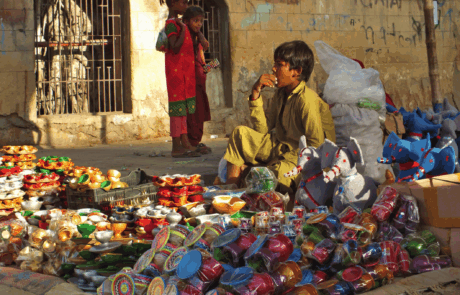
Championing the rights and health of street and working children

How evidence based policy can drive meaningful change

‘Renaissance era’ diagnosis of scurvy in today’s bariatric population

Raising awareness of a rare but serious risk linked to menstrual cup use

Stimulating international research dialogue on SGLT2 inhibitors and immune risk

Innovative device tackles racial bias in health monitoring, ensuring accurate readings for all skin tones

Revealing the hidden risks of slush ice drinks in children