
Stroke studies from China shape global guidance
A landmark programme of stroke research published in The BMJ, Stroke and Vascular Neurology, and The New England Journal of Medicine helped establish new approaches to preventing recurrent stroke after minor stroke and transient ischaemic attack (TIA). Analysis from BMJ Impact Analytics demonstrated the extent to which the wider *clopidogrel in high-risk patients with acute non-disabling cerebrovascular events (CHANCE) research programme had informed clinical guidance and health policy worldwide.
Stroke affects around 15 million people worldwide each year and, according to the World Health Organization, remains one of the leading causes of death and long term disability. In the CHANCE papers, the authors argue that effective prevention strategies are a global clinical priority. People who experience a minor stroke or TIA face a heightened risk of a subsequent stroke, making timely and effective secondary prevention critical.
The CHANCE programme of clinical trials, led by the Chinese Stroke Association, generated important evidence on how that risk could be reduced. The studies showed that short term dual antiplatelet therapy reduced recurrent stroke risk and later demonstrated how genetic testing could guide more personalised treatment.
The CHANCE programme gave clinicians stronger evidence on when to use short-term dual antiplatelet therapy after minor stroke or TIA, and how genetic testing could support more personalised treatment. BMJ Impact Analytics enabled the researchers to demonstrate how these findings had informed clinical guidance and policy across 62 countries, providing a broader picture than academic citation counts alone.
Impact at a glance *

“The CHANCE programme has made an important contribution to our understanding of how best to prevent recurrent stroke after minor stroke or TIA. Its influence on clinical guidance internationally demonstrates the value of rigorous clinical research, especially large randomised controlled trials, in informing and improving patient care around the world.”
Philip Bath, Professor of stroke medicine and CHANCE trials investigator, University of Nottingham, UK

“The CHANCE programme has helped strengthen the evidence for preventing recurrent stroke after minor stroke or high risk TIA. Seeing this research reflected in clinical guidelines internationally shows how evidence from major clinical trials can ultimately influence care for patients around the world.”
David Wang, deputy editor and general manager, Stroke and Vascular Neurology, and director of vascular neurology, HonorHealth/Arizona State University John Shufeldt School of Medicine and Medical Engineering, Scottsdale, USA
2021 — Stroke and Vascular Neurology
CHANCE-2: rationale and design of a multicentre randomised trial
2024 — The BMJ
Colchicine in patients with acute ischaemic stroke or transient ischaemic attack (CHANCE-3)
Real voices, real change

Turning female elite athletes’ experiences into fairer sporting policies

Research from East Africa helps shape the future of global HIV care

Stroke studies from China shape global guidance

The diet that rewrote the rules on type 2 diabetes remission

Setting the international standard for lupus remission

Shaping national dietary guidance to prevent hypertension in Japan

Helping clinicians manage one of immunotherapy’s most serious risks

Beyond survival: Shaping the first roadmap for post-Covid rehabilitation

How Ugandan research shaped covid-19 treatment

From systematic reviews to global guidance

Championing the rights and health of street and working children

How evidence based policy can drive meaningful change

‘Renaissance era’ diagnosis of scurvy in today’s bariatric population

Raising awareness of a rare but serious risk linked to menstrual cup use

Stimulating international research dialogue on SGLT2 inhibitors and immune risk
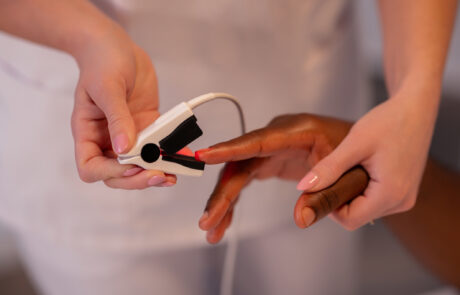
Innovative device tackles racial bias in health monitoring, ensuring accurate readings for all skin tones

Revealing the hidden risks of slush ice drinks in children