
Beyond survival: Shaping the first roadmap for post-Covid rehabilitation
The early framework that helped define recovery after Covid-19
In early 2020, while hospitals across the world were responding to acute Covid-19 cases, some clinicians were already asking what would come next for patients who survived.
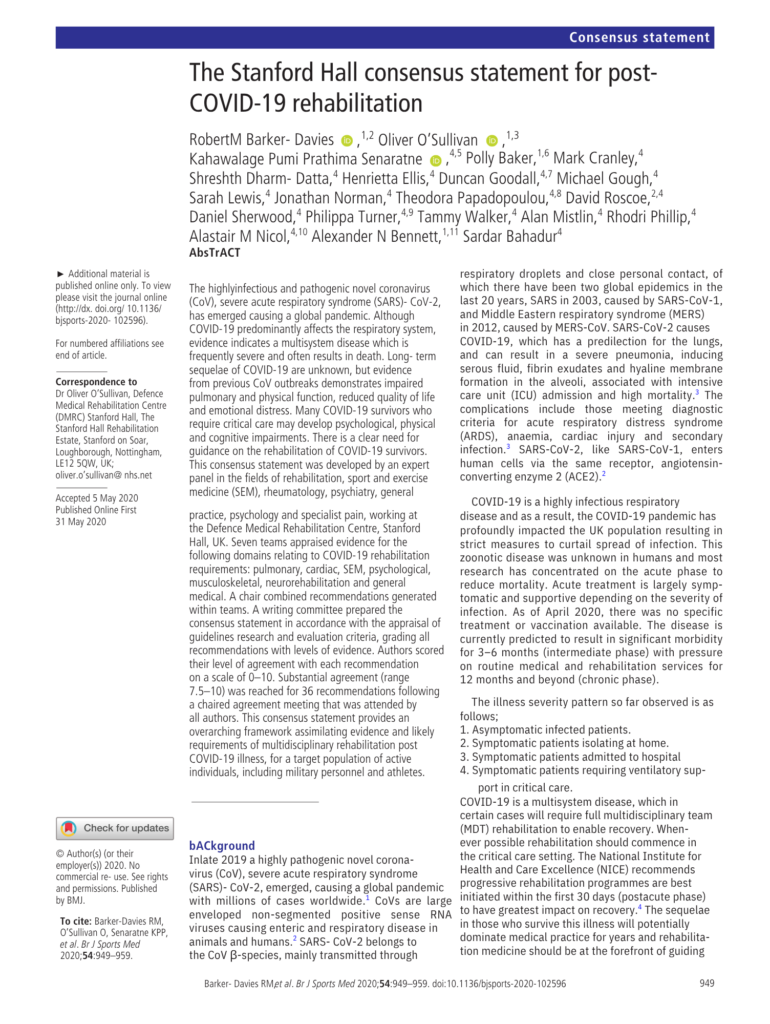
The Stanford Hall consensus statement on post-Covid rehabilitation addressed that question at an early – and critical – moment. Published less than three months after Covid was declared a pandemic, it provided one of the first frameworks for understanding how patients might recover once the acute phase of infection was over, and what support they might need.
At the time, evidence on longer term outcomes was limited. Clinicians at Stanford Hall’s Defence Medical Rehabilitation Centre in the UK initially developed their approach to support military personnel returning to duty after infection, but drew on wide-ranging experience with SARS, MERS, postviral illness, and recovery after critical care to identify rehabilitation needs relevant far beyond that setting. Their multidisciplinary recommendations covered respiratory, cardiac, neurological, and psychological effects, helping health services start planning for recovery while the pandemic was still unfolding and attention remained on immediate survival.
“We developed a rehabilitation course and also a medical assessment clinic to ensure that military workers who thought they had recovered from Covid had definitely recovered and would not have something terrible happen when they went back to full duty,“ says corresponding author Dr Oliver O’Sullivan.
Published in May 2020 in the British Journal of Sports Medicine, the statement anticipated what would later become known as long Covid, and identified the need for coordinated care across physical, cognitive, and mental health domains. The authors’ insights raised awareness early on that for some patients, recovery would be a much slower process, continuing long after the initial infection.
Hunger for these findings was high. In June 2020, shortly after publication, the paper was downloaded nearly 17,000 times. It soon informed early discussions about recovery pathways.
“We were amazed at how quickly people used this. It informed national and international guidance through the NHS, WHO, and NICE at a very early stage,” says Dr O’Sullivan.
The statement has now been cited by more than 600 other papers and referenced in 19 policy documents around the world, featuring in guidance published by the World Health Organization, the US Centers for Disease Control and Prevention, and the National Institute for Health and Care Excellence. National agencies in eight countries, including Canada and Japan, have cited the work in post-Covid care recommendations.
Media coverage in major outlets such as Scientific American and The New York Times helped draw wider public attention to the longer trajectory of Covid-19 beyond the acute phase, raising awareness amongst the general population that recovery may require coordinated clinical support.
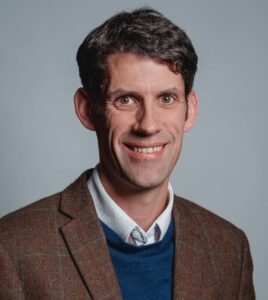
“It helped start the conversation around post-Covid rehabilitation, and I have no doubt it helped many individuals.”
Dr Oliver O’Sullivan
Clinician, Defence Medical Rehabilitation Centre (DMRC) Stanford Hall, Nottingham, United Kingdom
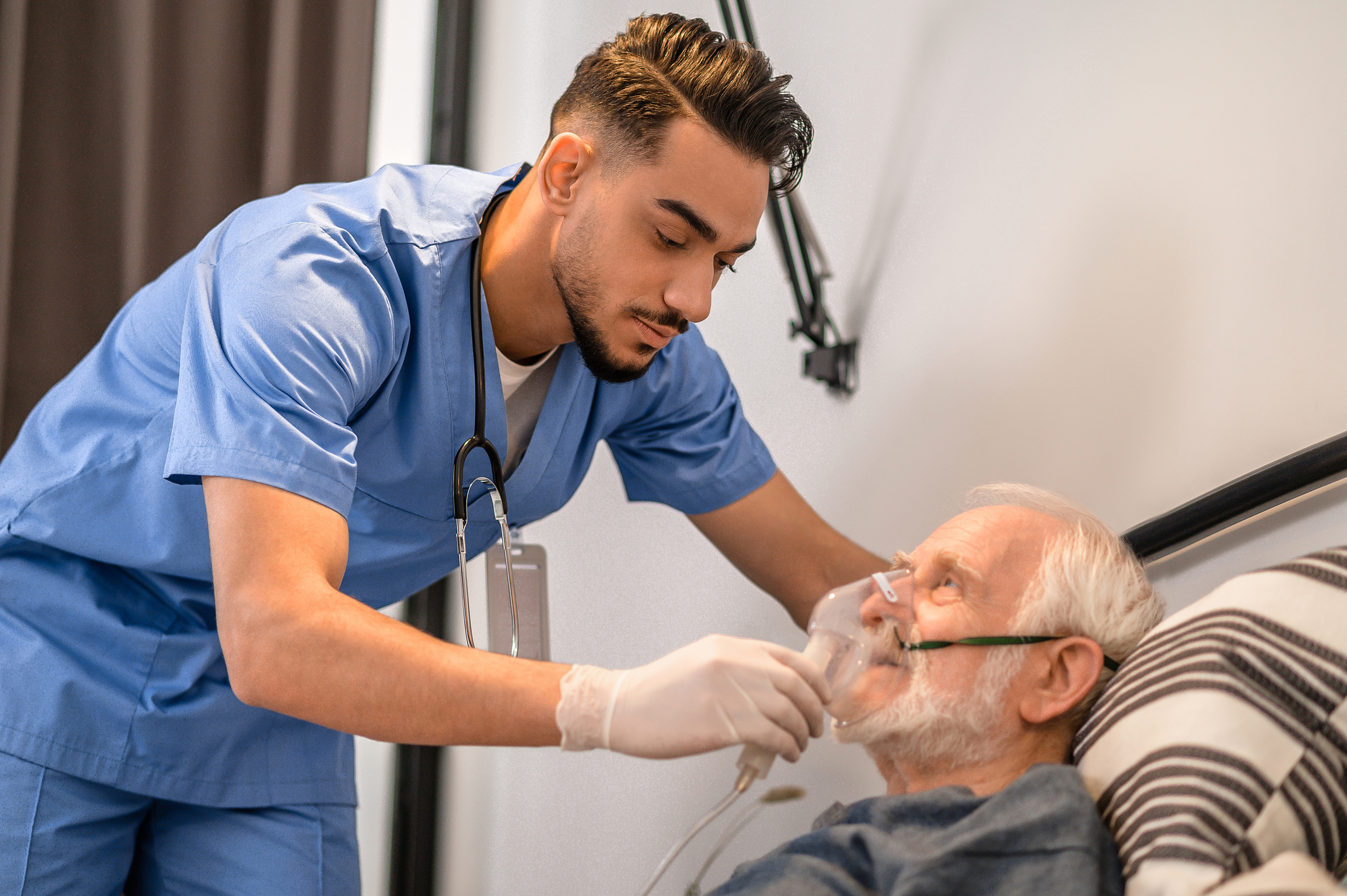
The statement also supported the development of early rehabilitation services and assessment pathways for people recovering from infection. It emphasised education, symptom monitoring, and multidisciplinary assessment from the beginning of the patient journey. These priorities later became central to structured services for people with long Covid.
Reflecting on the paper’s role, Dr O’Sullivan highlights the practical motivation behind the work and its continuing relevance for patients. “We reacted quickly and worked hard to make a meaningful contribution at an incredibly uncertain time. It helped start the conversation around post-Covid rehabilitation, and I have no doubt it helped many individuals.“
As health systems continue to respond to the long-term effects of Covid-19, the paper remains widely cited in guidance on recovery and rehabilitation. It shows how early clinical consensus can support decision making and service planning even while knowledge about a new infectious disease is still emerging.
Real voices, real change

Turning female elite athletes’ experiences into fairer sporting policies

Research from East Africa helps shape the future of global HIV care

Stroke studies from China shape global guidance

The diet that rewrote the rules on type 2 diabetes remission

Setting the international standard for lupus remission

Shaping national dietary guidance to prevent hypertension in Japan
Helping clinicians manage one of immunotherapy’s most serious risks
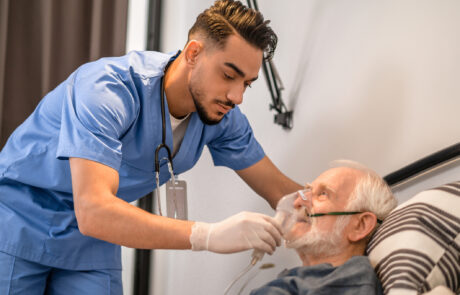
Beyond survival: Shaping the first roadmap for post-Covid rehabilitation

How Ugandan research shaped covid-19 treatment

From systematic reviews to global guidance

Championing the rights and health of street and working children

How evidence based policy can drive meaningful change

‘Renaissance era’ diagnosis of scurvy in today’s bariatric population

Raising awareness of a rare but serious risk linked to menstrual cup use

Stimulating international research dialogue on SGLT2 inhibitors and immune risk
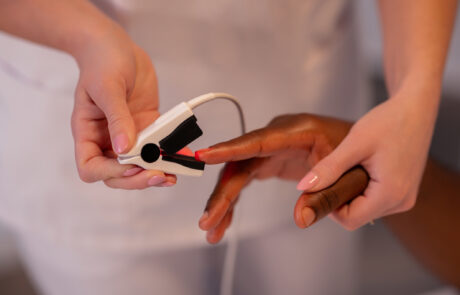
Innovative device tackles racial bias in health monitoring, ensuring accurate readings for all skin tones
Revealing the hidden risks of slush ice drinks in children