And availability of advanced interventions, including provision of blood products, still variable
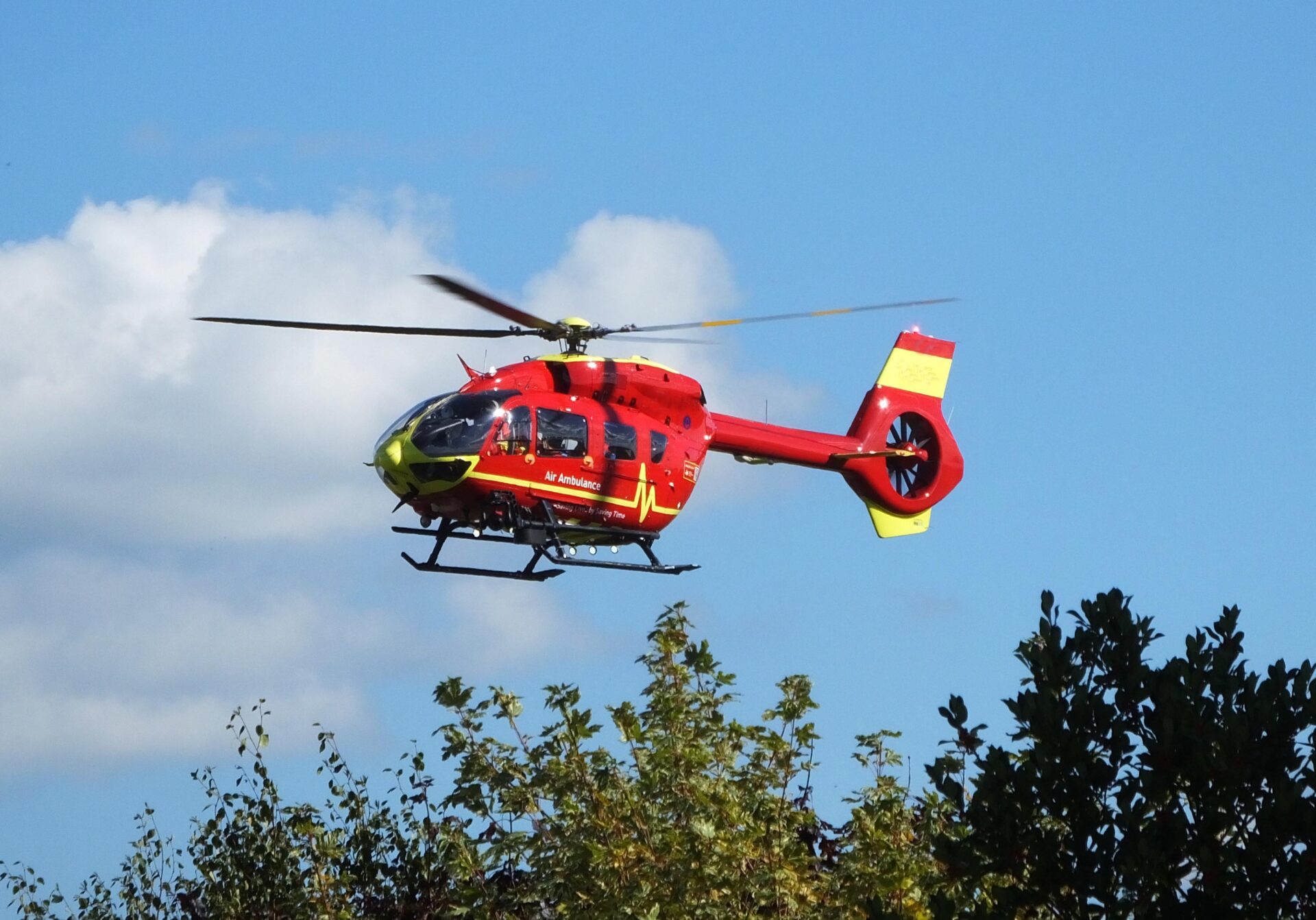
Despite significant improvements in the availability of 24/7 emergency air ambulance services (HEMS) across the UK since 2009, persistent regional gaps remain, finds research published online in Emergency Medicine Journal.
And the provision of advanced potentially life saving interventions, such as blood transfusion and a minimally invasive procedure to staunch severe bleeding and stabilise blood pressure (resuscitative endovascular balloon occlusion of the aorta) remains variable, the findings indicate.
Helicopter emergency medical services (HEMS), more usually known as air ambulances, provide advanced critical care to badly injured/extremely unwell patients before they reach hospital. In the UK, only prehospital teams that include doctors can deliver this type of care, also called Level 3 interventions, explain the researchers.
While there are voluntary teams of prehospital care doctors, such as those volunteering with the British Association for Immediate Care (BASICS), the provision of these services varies, depending on the skill set available on the day, they add.
In 2009—the last time UK data on service provision were collected—17 HEMS teams operated in England, Wales, and Northern Ireland, but only 11 included a doctor (65%) and only 4 (23%) consistently ran a doctor-based team all week, only 1 of which was available 24/7.
To find out if provision had changed, the researchers distributed an online survey to all 21 UK HEMS organisations between January and March 2024, with the aim of finding out the number of doctor-based teams, their operational hours, as well as the type of interventions offered.
All the organisations responded. And their responses showed that the number of potentially available doctor-based HEMS teams had increased from 11 in 2009 to 30 in 2024, including 2 teams in Scotland.
And the provision of consistent 24/7 doctor-based prehospital teams had risen from 1 in 2009 to 11 in 2024. But 24/7 availability still varied across the UK, with the East of England recording the highest and Northern Ireland, South West England, and Northern England the lowest.
In 2 regions every service had a 24/7 team, but 4 regions didn’t. Times that services went offline also varied, with some services finishing at 19:00/19:30 hours, while others went offline at 02:00/03:00 hours.
And the variable provision of advanced interventions within doctor-based teams persisted. For example, 19 services (90%) offered blood transfusion, but only 1 (5%) offered resuscitative balloon occlusion of the aorta.
Another 10 HEMS teams were potentially available, but they only provided Level 2 interventions as they weren’t doctor-based.
BASICS schemes were reported in 11 regions, but providing either Level 2 or Level 3 prehospital care on a voluntary basis.
Funding was still an issue as only 1 of the 21 HEMS organisations was completely government funded; the others were either solely funded by a charity (12) or by a mix of charity and government sources (8).
The researchers acknowledge several limitations to their findings. Survey respondents named additional prehospital teams within their region, but it was impossible to determine the access to these teams. And the survey data reflected the situation in March 2024, since when the picture may have changed, they add.
“While it is encouraging to see this improvement in access [to HEMS], the ability to provide 24/7 access to Level 3 interventions, such as PHEA [prehospital emergency anaesthesia] remains variable across the country, with heavy reliance on the charitable sector. As in 2009, charitable funding remains the main source for HEMS in the UK,” note the researchers.
03/02/2026
Notes for editors
Research: Access to physician- based Helicopter Emergency Medical Services in the UK: a service analysis in 2024 Doi: 10.1136/emermed-2024-
Journal: Emergency Medicine Journal
Link to Academy of Medical Sciences press release labelling system
http://press.psprings.co.uk/
Externally peer reviewed? Yes
Evidence type: Data analysis; Observational
Subjects: People
The post Significant gaps persist in regional UK access to 24/7 air ambulance services first appeared on BMJ Group.